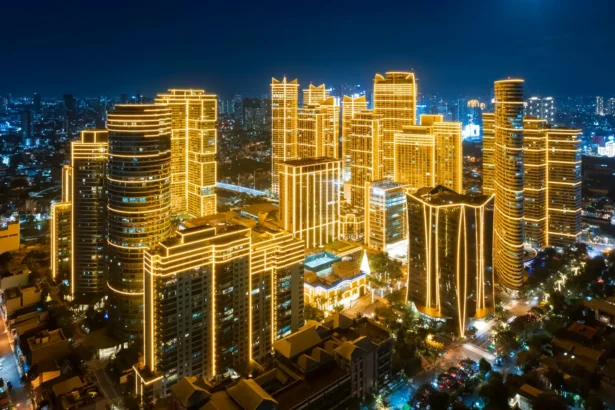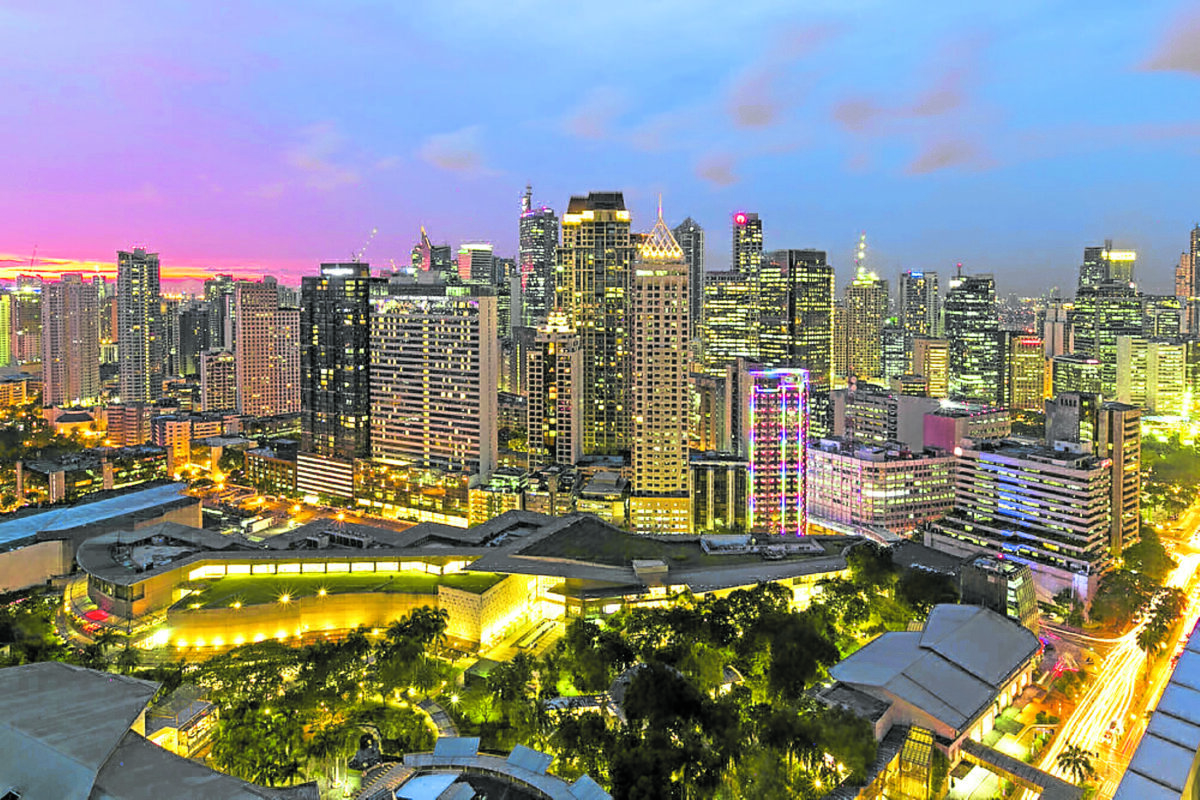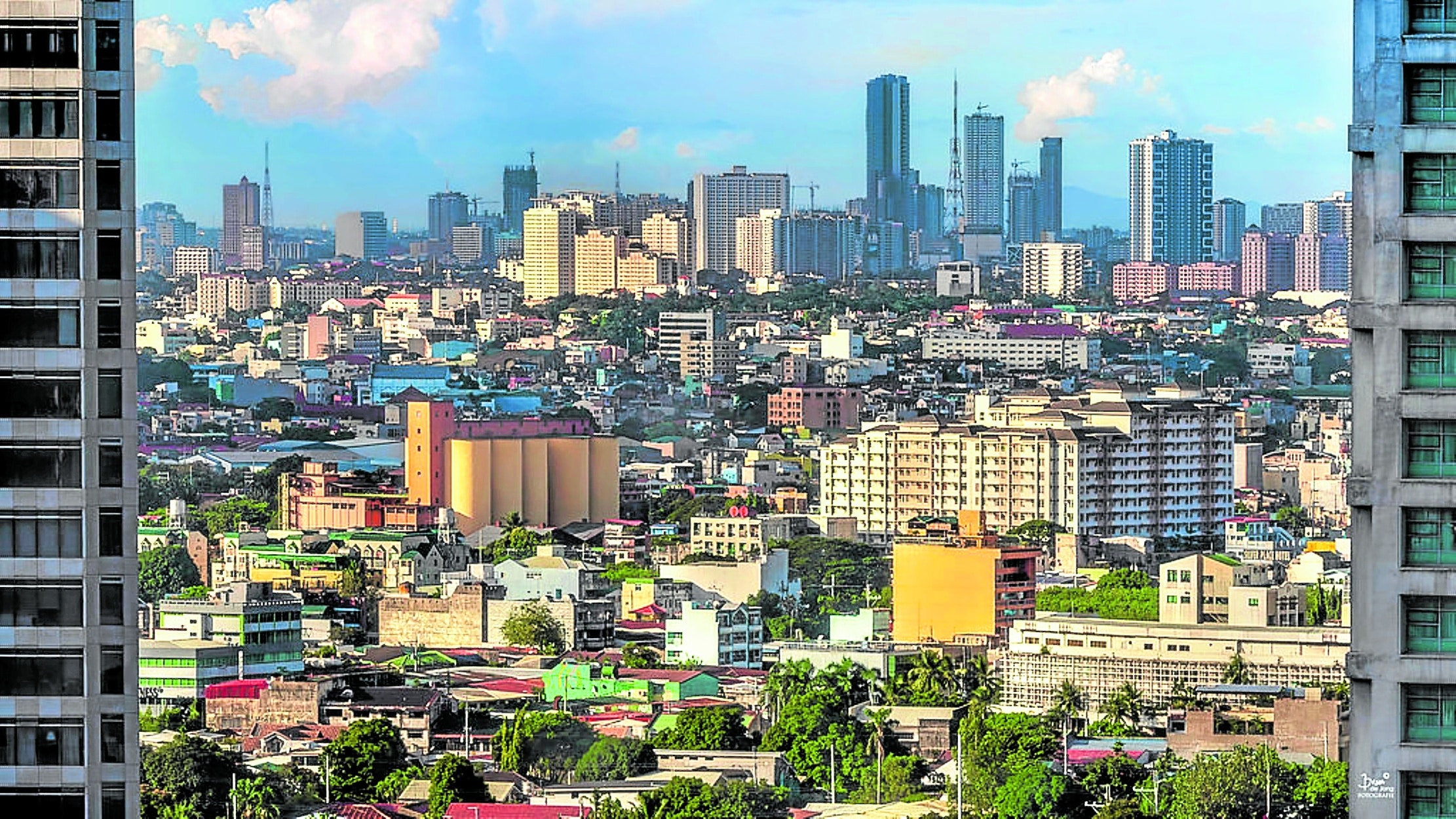


• Beyond the Skyline: 5 Trends Redefining Philippine Real Estate in 2026

    MANILA, Philippines — The Philippine property landscape is undergoing a strategic transformation as 2026 begins, marked by a shift toward high-value corridors and aggressive developer incentives. According to the latest market outlook from Colliers, the industry is pivoting to meet a new era of consumer behavior and global investment interest.

    Joey Bondoc, Director for Research at Colliers, identifies five critical sectors that are set to define the market this year. From the high-rise hubs of Metro Manila to the industrial plains of Central Luzon, here is what is shaping the nation's real estate trajectory.

    1. The Office Market: Quality Over Quantity

    While the skyline continues to grow, the pace of office development has reached a steady, more calculated rhythm. Metro Manila is projected to add 350,000 square meters of new office space between 2026 and 2028.

    Although these figures remain below pre-pandemic highs, leasing momentum is being sustained by a mix of outsourcing giants and traditional corporate firms.

    The "Flight to Quality": Premium districts like Makati’s Ayala Avenue and Bonifacio Global City (BGC) remain the gold standard.

    The Satellite Surge: Beyond the capital, Cebu, Pampanga, and Iloilo are cementing their status as vital business hubs, offering alternatives to the congested Metro.

    2. Residential: The Rise of the 'Rent-to-Own'

    The residential sector faces a unique challenge in 2026: moving 30,000 unsold, ready-for-occupancy (RFO) units across Metro Manila. To counter elevated mortgage rates, developers have moved away from traditional sales pitches in favor of flexible financial engineering.

    "Developers are employing attractive promotions, extended payment terms, and rent-to-own schemes to capture mid-income buyers," Colliers noted in their report.

    Demand is peaking in specific "lifestyle corridors," most notably the C5 Corridor and Katipunan. Proximity to prestigious universities and seamless connectivity to the Ortigas and Makati business districts have led some projects in these areas to reach 100% take-up.

    3. Industrial: Central Luzon’s Dominance

    In a massive geographic shift, Central Luzon has emerged as the country’s industrial powerhouse. The region is expected to deliver 870 hectares of industrial space through 2028—quadruple the pipeline of Southern Luzon.

    This boom is fueled by the 99-year land lease law, a legislative shift that provides long-term security for foreign investors. This has positioned the Philippines as a competitive destination for high-growth sectors, including:

    Semiconductor assembly

    Automotive manufacturing

    Renewable energy infrastructure

    4. Retail: The Experience Economy

    Brick-and-mortar retail is far from dead; it’s being reinvented. Retail vacancy rates are expected to dip below 10% by the end of the year, driven by a wave of mall refurbishments and the entry of new international brands.

    Developers are no longer focusing solely on the capital. A "provincial push" is taking modern retail experiences to emerging urban centers like Bacolod and Davao, tapping into the rising purchasing power of regional consumers.

    5. Hotels: Luxury and MICE Tourism

    The hospitality sector is bracing for a busy year with 3,000 new hotel rooms slated for completion. Growth is concentrated in the Bay Area and Makati, bolstered by the presence of ultra-luxury brands such as Fairmont, Raffles, and OneKey Michelin-rated establishments.

    Beyond leisure, the "MICE" segment—Meetings, Incentives, Conferences, and Exhibitions—is providing a steady stream of revenue as the Philippines re-establishes itself as a premier destination for regional business events.

    Source: Data and insights based on the 2026 Property Market Outlook by Colliers Philippines.

    #RealEstatePH #PhilippineRealEstateOutlook
    Beyond the Skyline: 5 Trends Redefining Philippine Real Estate in 2026 MANILA, Philippines — The Philippine property landscape is undergoing a strategic transformation as 2026 begins, marked by a shift toward high-value corridors and aggressive developer incentives. According to the latest market outlook from Colliers, the industry is pivoting to meet a new era of consumer behavior and global investment interest. Joey Bondoc, Director for Research at Colliers, identifies five critical sectors that are set to define the market this year. From the high-rise hubs of Metro Manila to the industrial plains of Central Luzon, here is what is shaping the nation's real estate trajectory. 1. The Office Market: Quality Over Quantity While the skyline continues to grow, the pace of office development has reached a steady, more calculated rhythm. Metro Manila is projected to add 350,000 square meters of new office space between 2026 and 2028. Although these figures remain below pre-pandemic highs, leasing momentum is being sustained by a mix of outsourcing giants and traditional corporate firms. The "Flight to Quality": Premium districts like Makati’s Ayala Avenue and Bonifacio Global City (BGC) remain the gold standard. The Satellite Surge: Beyond the capital, Cebu, Pampanga, and Iloilo are cementing their status as vital business hubs, offering alternatives to the congested Metro. 2. Residential: The Rise of the 'Rent-to-Own' The residential sector faces a unique challenge in 2026: moving 30,000 unsold, ready-for-occupancy (RFO) units across Metro Manila. To counter elevated mortgage rates, developers have moved away from traditional sales pitches in favor of flexible financial engineering. "Developers are employing attractive promotions, extended payment terms, and rent-to-own schemes to capture mid-income buyers," Colliers noted in their report. Demand is peaking in specific "lifestyle corridors," most notably the C5 Corridor and Katipunan. Proximity to prestigious universities and seamless connectivity to the Ortigas and Makati business districts have led some projects in these areas to reach 100% take-up. 3. Industrial: Central Luzon’s Dominance In a massive geographic shift, Central Luzon has emerged as the country’s industrial powerhouse. The region is expected to deliver 870 hectares of industrial space through 2028—quadruple the pipeline of Southern Luzon. This boom is fueled by the 99-year land lease law, a legislative shift that provides long-term security for foreign investors. This has positioned the Philippines as a competitive destination for high-growth sectors, including: Semiconductor assembly Automotive manufacturing Renewable energy infrastructure 4. Retail: The Experience Economy Brick-and-mortar retail is far from dead; it’s being reinvented. Retail vacancy rates are expected to dip below 10% by the end of the year, driven by a wave of mall refurbishments and the entry of new international brands. Developers are no longer focusing solely on the capital. A "provincial push" is taking modern retail experiences to emerging urban centers like Bacolod and Davao, tapping into the rising purchasing power of regional consumers. 5. Hotels: Luxury and MICE Tourism The hospitality sector is bracing for a busy year with 3,000 new hotel rooms slated for completion. Growth is concentrated in the Bay Area and Makati, bolstered by the presence of ultra-luxury brands such as Fairmont, Raffles, and OneKey Michelin-rated establishments. Beyond leisure, the "MICE" segment—Meetings, Incentives, Conferences, and Exhibitions—is providing a steady stream of revenue as the Philippines re-establishes itself as a premier destination for regional business events. Source: Data and insights based on the 2026 Property Market Outlook by Colliers Philippines. #RealEstatePH #PhilippineRealEstateOutlook
    0 التعليقات ·0 المشاركات ·466 مشاهدة
  • Beyond the Skyline: 5 Trends Redefining Philippine Real Estate in 2026

    MANILA, Philippines — The Philippine property landscape is undergoing a strategic transformation as 2026 begins, marked by a shift toward high-value corridors and aggressive developer incentives. According to the latest market outlook from Colliers, the industry is pivoting to meet a new era of consumer behavior and global investment interest.

    Joey Bondoc, Director for Research at Colliers, identifies five critical sectors that are set to define the market this year. From the high-rise hubs of Metro Manila to the industrial plains of Central Luzon, here is what is shaping the nation's real estate trajectory.

    1. The Office Market: Quality Over Quantity

    While the skyline continues to grow, the pace of office development has reached a steady, more calculated rhythm. Metro Manila is projected to add 350,000 square meters of new office space between 2026 and 2028.

    Although these figures remain below pre-pandemic highs, leasing momentum is being sustained by a mix of outsourcing giants and traditional corporate firms.

    The "Flight to Quality": Premium districts like Makati’s Ayala Avenue and Bonifacio Global City (BGC) remain the gold standard.

    The Satellite Surge: Beyond the capital, Cebu, Pampanga, and Iloilo are cementing their status as vital business hubs, offering alternatives to the congested Metro.

    2. Residential: The Rise of the 'Rent-to-Own'

    The residential sector faces a unique challenge in 2026: moving 30,000 unsold, ready-for-occupancy (RFO) units across Metro Manila. To counter elevated mortgage rates, developers have moved away from traditional sales pitches in favor of flexible financial engineering.

    "Developers are employing attractive promotions, extended payment terms, and rent-to-own schemes to capture mid-income buyers," Colliers noted in their report.

    Demand is peaking in specific "lifestyle corridors," most notably the C5 Corridor and Katipunan. Proximity to prestigious universities and seamless connectivity to the Ortigas and Makati business districts have led some projects in these areas to reach 100% take-up.

    3. Industrial: Central Luzon’s Dominance

    In a massive geographic shift, Central Luzon has emerged as the country’s industrial powerhouse. The region is expected to deliver 870 hectares of industrial space through 2028—quadruple the pipeline of Southern Luzon.

    This boom is fueled by the 99-year land lease law, a legislative shift that provides long-term security for foreign investors. This has positioned the Philippines as a competitive destination for high-growth sectors, including:

    Semiconductor assembly

    Automotive manufacturing

    Renewable energy infrastructure

    4. Retail: The Experience Economy

    Brick-and-mortar retail is far from dead; it’s being reinvented. Retail vacancy rates are expected to dip below 10% by the end of the year, driven by a wave of mall refurbishments and the entry of new international brands.

    Developers are no longer focusing solely on the capital. A "provincial push" is taking modern retail experiences to emerging urban centers like Bacolod and Davao, tapping into the rising purchasing power of regional consumers.

    5. Hotels: Luxury and MICE Tourism

    The hospitality sector is bracing for a busy year with 3,000 new hotel rooms slated for completion. Growth is concentrated in the Bay Area and Makati, bolstered by the presence of ultra-luxury brands such as Fairmont, Raffles, and OneKey Michelin-rated establishments.

    Beyond leisure, the "MICE" segment—Meetings, Incentives, Conferences, and Exhibitions—is providing a steady stream of revenue as the Philippines re-establishes itself as a premier destination for regional business events.

    Source: Data and insights based on the 2026 Property Market Outlook by Colliers Philippines.

    #RealEstatePH #PhilippineRealEstateOutlook
    Beyond the Skyline: 5 Trends Redefining Philippine Real Estate in 2026 MANILA, Philippines — The Philippine property landscape is undergoing a strategic transformation as 2026 begins, marked by a shift toward high-value corridors and aggressive developer incentives. According to the latest market outlook from Colliers, the industry is pivoting to meet a new era of consumer behavior and global investment interest. Joey Bondoc, Director for Research at Colliers, identifies five critical sectors that are set to define the market this year. From the high-rise hubs of Metro Manila to the industrial plains of Central Luzon, here is what is shaping the nation's real estate trajectory. 1. The Office Market: Quality Over Quantity While the skyline continues to grow, the pace of office development has reached a steady, more calculated rhythm. Metro Manila is projected to add 350,000 square meters of new office space between 2026 and 2028. Although these figures remain below pre-pandemic highs, leasing momentum is being sustained by a mix of outsourcing giants and traditional corporate firms. The "Flight to Quality": Premium districts like Makati’s Ayala Avenue and Bonifacio Global City (BGC) remain the gold standard. The Satellite Surge: Beyond the capital, Cebu, Pampanga, and Iloilo are cementing their status as vital business hubs, offering alternatives to the congested Metro. 2. Residential: The Rise of the 'Rent-to-Own' The residential sector faces a unique challenge in 2026: moving 30,000 unsold, ready-for-occupancy (RFO) units across Metro Manila. To counter elevated mortgage rates, developers have moved away from traditional sales pitches in favor of flexible financial engineering. "Developers are employing attractive promotions, extended payment terms, and rent-to-own schemes to capture mid-income buyers," Colliers noted in their report. Demand is peaking in specific "lifestyle corridors," most notably the C5 Corridor and Katipunan. Proximity to prestigious universities and seamless connectivity to the Ortigas and Makati business districts have led some projects in these areas to reach 100% take-up. 3. Industrial: Central Luzon’s Dominance In a massive geographic shift, Central Luzon has emerged as the country’s industrial powerhouse. The region is expected to deliver 870 hectares of industrial space through 2028—quadruple the pipeline of Southern Luzon. This boom is fueled by the 99-year land lease law, a legislative shift that provides long-term security for foreign investors. This has positioned the Philippines as a competitive destination for high-growth sectors, including: Semiconductor assembly Automotive manufacturing Renewable energy infrastructure 4. Retail: The Experience Economy Brick-and-mortar retail is far from dead; it’s being reinvented. Retail vacancy rates are expected to dip below 10% by the end of the year, driven by a wave of mall refurbishments and the entry of new international brands. Developers are no longer focusing solely on the capital. A "provincial push" is taking modern retail experiences to emerging urban centers like Bacolod and Davao, tapping into the rising purchasing power of regional consumers. 5. Hotels: Luxury and MICE Tourism The hospitality sector is bracing for a busy year with 3,000 new hotel rooms slated for completion. Growth is concentrated in the Bay Area and Makati, bolstered by the presence of ultra-luxury brands such as Fairmont, Raffles, and OneKey Michelin-rated establishments. Beyond leisure, the "MICE" segment—Meetings, Incentives, Conferences, and Exhibitions—is providing a steady stream of revenue as the Philippines re-establishes itself as a premier destination for regional business events. Source: Data and insights based on the 2026 Property Market Outlook by Colliers Philippines. #RealEstatePH #PhilippineRealEstateOutlook
    0 التعليقات ·0 المشاركات ·515 مشاهدة
  • Rockwell Land moves to take control of Alabang Town Center after Ayala exit

    Rockwell Land Corporation is set to take majority control of Alabang Town Center (ATC), a landmark shopping complex in Muntinlupa City, following Ayala Land’s exit from the joint venture that has operated the mall for decades.

    In a disclosure to the Philippine Stock Exchange, the Lopez-led developer said it has signed agreements to acquire shares in Alabang Commercial Corporation (ACC) from Francisco Madrigal Bayot Jr. of the Madrigal family. ACC owns and operates Alabang Town Center.

    The transaction comes shortly after Ayala Land announced the sale of its 50 percent stake in ACC to the Madrigal group for ₱13.5 billion, effectively ending Ayala’s involvement in the property.

    #Rockwell #AlabangTownCenter #RealEstatePH

    https://news.realgram.net/2025/3058/rockwell-land-moves-to-take-control-of-alabang-town-center-after-ayala-exit
    Rockwell Land moves to take control of Alabang Town Center after Ayala exit Rockwell Land Corporation is set to take majority control of Alabang Town Center (ATC), a landmark shopping complex in Muntinlupa City, following Ayala Land’s exit from the joint venture that has operated the mall for decades. In a disclosure to the Philippine Stock Exchange, the Lopez-led developer said it has signed agreements to acquire shares in Alabang Commercial Corporation (ACC) from Francisco Madrigal Bayot Jr. of the Madrigal family. ACC owns and operates Alabang Town Center. The transaction comes shortly after Ayala Land announced the sale of its 50 percent stake in ACC to the Madrigal group for ₱13.5 billion, effectively ending Ayala’s involvement in the property. #Rockwell #AlabangTownCenter #RealEstatePH https://news.realgram.net/2025/3058/rockwell-land-moves-to-take-control-of-alabang-town-center-after-ayala-exit
    Rockwell Land moves to take control of Alabang Town Center after Ayala exit
    news.realgram.net
    Rockwell Land Corporation is set to take majority control of Alabang Town Center (ATC), a landmark shopping complex in Muntinlupa City, following Ayala Land’s exit from the joint venture that has o…
    Like
    1
    · 0 التعليقات ·0 المشاركات ·563 مشاهدة
  • Metro Manila residential vacancy seen to decline in 2026

    MANILA, Philippines — Residential vacancy in Metro Manila is expected to ease by next year as developers limit new supply to the market, according to Colliers Philippines.

    Read: https://business.inquirer.net/538405/metro-manila-residential-vacancy-seen-to-decline-in-2026

    #RealEstatePH #Outlook
    Metro Manila residential vacancy seen to decline in 2026 MANILA, Philippines — Residential vacancy in Metro Manila is expected to ease by next year as developers limit new supply to the market, according to Colliers Philippines. Read: https://business.inquirer.net/538405/metro-manila-residential-vacancy-seen-to-decline-in-2026 #RealEstatePH #Outlook
    Metro Manila residential vacancy seen to decline in 2026
    business.inquirer.net
    MANILA, Philippines — Residential vacancy in Metro Manila is expected to ease by next year as developers limit new supply to the market, according to Colliers Philippines. Joey Bondoc,
    0 التعليقات ·0 المشاركات ·3كيلو بايت مشاهدة

  • Worst is over for Philippines’ property sector–report

    MANILA, Philippines – The worst may be over for the Philippine property sector as key players have “proactively” recalibrated their strategies to cope with structural challenges, leading to “early signs of market stabilization.”
    #PropertyPH #RealEstatePH


    Read: https://business.inquirer.net/537362/worst-is-over-for-ph-property-sector-report
    Worst is over for Philippines’ property sector–report MANILA, Philippines – The worst may be over for the Philippine property sector as key players have “proactively” recalibrated their strategies to cope with structural challenges, leading to “early signs of market stabilization.” #PropertyPH #RealEstatePH Read: https://business.inquirer.net/537362/worst-is-over-for-ph-property-sector-report
    Worst is over for Philippines’ property sector–report
    business.inquirer.net
    MANILA, Philippines - The worst may be over for the Philippine property sector as key players have “proactively” recalibrated their strategies to cope with structural challenges, leading to
    0 التعليقات ·0 المشاركات ·3كيلو بايت مشاهدة